
As students return to school, Naples and Collier County roads become busier with school buses, family vehicles, teen drivers and children traveling by foot, bicycle, scooter and e-bike. Parents, students and drivers can help make every trip safer by slowing down, staying alert, following traffic rules and watching carefully for other road users.
At Naples Pathways Coalition, creating safer places to walk, bike and run is central to our mission. Back-to-school season is an important reminder that transportation safety is a shared responsibility.
Start With Safe Habits at Home
Parents and caregivers can help children develop good transportation habits before they leave the driveway.
When possible, walk a child’s route to school together before the first day. Identify crosswalks, intersections, driveways and other locations where extra attention is needed. Younger children may benefit from practicing the route several times with an adult.
Remind students to:
- Cross at designated crosswalks or intersections when available
- Follow instructions from crossing guards
- Stop and look before entering a roadway
- Make eye contact with drivers before crossing
- Avoid phones, headphones and other distractions
- Stay alert around driveways and parking lot entrances
Children should understand that seeing a vehicle does not necessarily mean its driver has seen them.
Bicycle and Scooter Safety for Students
Students riding bicycles or scooters should use predictable movements, follow applicable traffic signs and signals, and stay focused on their surroundings.
Before each trip, riders should check that their equipment is working properly. This includes the brakes, tires, steering, lights and helmet.
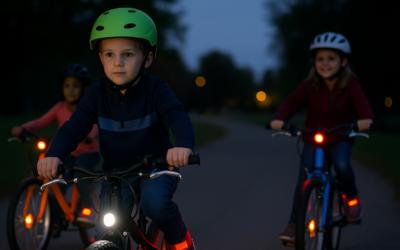
Visibility is especially important during early morning and late afternoon travel. Bright clothing, reflective accessories and properly positioned front and rear lights can help drivers notice riders sooner.
Students should also avoid weaving between vehicles or pedestrians. When passing someone on a shared path or sidewalk, riders should slow down, provide space and give an audible warning.
E-Bike and E-Scooter Safety Requires Extra Preparation
E-bikes and e-scooters can provide a convenient way to travel, but they are not toys. Because electric devices may be faster and heavier than traditional bicycles and scooters, riders can have less time to recognize and respond to a hazard.
Before allowing a child or teen to ride an electric bicycle or scooter, parents should make sure the rider understands how the device operates and where it may legally be used.
New riders should practice in a controlled location away from traffic. They should become comfortable with:
- Starting and stopping smoothly
- Braking at different speeds
- Turning and maintaining control
- Recognizing obstacles and surface hazards
- Looking for vehicles at driveways and intersections
- Riding without using a phone or headphones
Parents should also review the device’s speed capabilities, manufacturer recommendations and any applicable state or local age, helmet and operating requirements.
Use Extra Caution at Driveways and Parking Lots
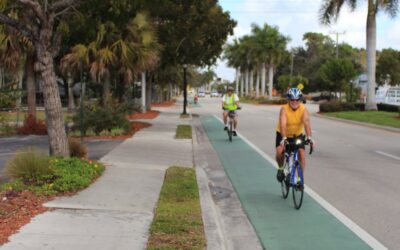
Sidewalks may feel separated from vehicle traffic, but riders and pedestrians still encounter vehicles at driveways, neighborhood entrances and parking lots.
Drivers may not expect a fast-moving bicycle or scooter to enter a driveway crossing. Riders should approach these locations cautiously, look for vehicles entering or exiting and be prepared to stop.
Drivers should also look in both directions before crossing a sidewalk, especially near schools, parks and residential neighborhoods.
Choose and Properly Fit a Helmet
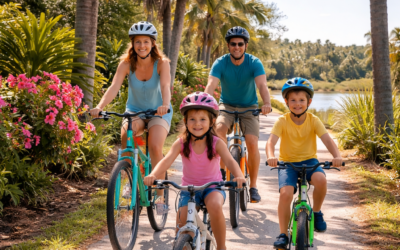
A properly fitted helmet is an essential part of bicycle, e-bike and scooter safety. Riders should wear a helmet on every trip, even when traveling a short distance.
For bicycle riding, parents should look for a helmet labeled as meeting the U.S. Consumer Product Safety Commission’s bicycle helmet standard.
Some helmets are designed for activities involving higher speeds or different types of impact. Families selecting a helmet for an e-bike or e-scooter should review the helmet manufacturer’s intended-use information and consult current safety guidance for the specific device and riding conditions.
Regardless of helmet type, it should:
- Sit level on the rider’s head
- Fit snugly without shifting
- Rest low enough to protect the forehead
- Have straps that lie flat
- Remain securely fastened beneath the chin
A helmet cannot provide its intended protection if it is loose, tilted backward or left unfastened.
Drivers Can Help Protect Students
Drivers should expect more people walking and riding near schools before and after the school day.
Motorists can help by:
- Slowing down in and around school zones
- Putting phones and other distractions away
- Checking carefully before turning
- Watching sidewalks before crossing a driveway
- Yielding to pedestrians as required
- Providing at least three feet of clearance when passing a bicyclist
- Checking for approaching riders before opening a parked vehicle’s door
Children do not always respond to traffic as adults expect. A child may step off a curb, change direction or enter the roadway unexpectedly. Lower speeds give drivers more time to recognize a hazard and respond safely.
Follow Florida School Bus Safety Rules
The area surrounding a school bus can be one of the most dangerous parts of a student’s trip.
When a school bus displays flashing red lights and extends its stop arm, motorists must follow Florida’s school bus stopping laws. The requirements can differ depending on the roadway design, so drivers should review current guidance from the Florida Department of Highway Safety and Motor Vehicles.
Drivers should never attempt to pass a stopped school bus when the law requires them to stop.
Parents should teach children to wait in a safe location away from traffic and follow the bus driver’s directions. Children should remain where the driver can see them and should not cross in front of the bus until instructed to do so.
Safe School Travel Takes the Entire Community
Safer school travel depends on all of us.
Parents can teach and reinforce good habits. Students can wear helmets, limit distractions and stay alert. Drivers can slow down and look carefully for people walking, biking and riding scooters.
Naples Pathways Coalition works to improve pedestrian and bicycle safety while advancing a more connected network of pathways in Southwest Florida. These efforts support a future in which residents of all ages have safer, more comfortable ways to travel and enjoy our community.
Frequently Asked Questions
What should students wear when biking or scootering to school?
Students should wear a properly fitted and fastened helmet. Bright clothing, reflective accessories and appropriate front and rear lights can also make riders easier to see, particularly during early morning travel.
Are e-bikes safe for children and teens?
E-bikes require preparation, judgment and an understanding of traffic safety. Parents should consider the rider’s age, experience and ability to control the device. They should also review current state and local laws, manufacturer guidance and school policies before allowing a student to ride.
Where should students practice riding an e-bike or e-scooter?
New riders should practice starting, stopping, braking and turning in a controlled area away from traffic, pedestrians and parked vehicles. They should demonstrate that they can maintain control before traveling on a route to school.
How much room should a driver leave when passing a bicyclist?
The source recommends providing at least three feet of clearance. Drivers should confirm and follow current Florida passing laws and allow additional space whenever road conditions make it necessary.
How can families choose a safer route to school?
Look for routes with lower traffic speeds, clearly marked crossings, good visibility and connected sidewalks or pathways. Families should practice the route together and identify driveways, intersections and other potential conflict points before a student travels independently.
Help Build a Safer, More Connected Community
Every child deserves a safer trip to and from school. Patience, attention and courtesy can make a meaningful difference, whether you are driving, walking, biking or riding.
Learn more about Naples Pathways Coalition’s work to promote pedestrian and bicycle safety and create connected pathways throughout Collier County. You can support this mission by becoming a member, making a donation, volunteering or sharing these safety resources with another local family.