
Safer streets do more than help prevent crashes. Connected sidewalks, visible crossings, bicycle facilities and separated pathways can make it easier for people to be physically active, reach community destinations and participate in everyday life.
For Naples Pathways Coalition, active transportation is part of a broader vision for a healthier, safer and more connected Collier County.
What Is Active Transportation?
Active transportation refers to using physical activity as part of a trip. This can include:
- Walking to a nearby destination
- Riding a bicycle to work
- Walking or biking to school
- Running for recreation
- Using a wheelchair or another mobility device
- Combining walking or biking with public transportation
People also benefit from this infrastructure when they walk a dog, push a stroller, exercise with a friend or visit a local trail.
A transportation network supports active travel when people can move between destinations using routes that feel safe, comfortable and connected.
Safer Infrastructure Can Encourage Physical Activity
Walking and biking are familiar activities that can be incorporated into daily routines. However, people may be less likely to choose them when routes have missing sidewalks, limited crossings, high vehicle speeds or disconnected bicycle facilities.
Improving the built environment does not guarantee that everyone will become more active. It can, however, remove barriers and create more opportunities for movement.
Helpful infrastructure may include:
- Continuous sidewalks
- Multiuse pathways
- Clearly marked crossings
- Accessible curb ramps
- Appropriate lighting
- Connected bicycle facilities
- Traffic-calming measures
- Safe connections to parks, schools and businesses
The appropriate design depends on the location, traffic conditions and needs of the people using the corridor.
Walking and Biking Can Support Mental and Physical Health
Regular physical activity is associated with a wide range of health benefits.
According to the Centers for Disease Control and Prevention, physical activity can support memory and thinking, reduce feelings of anxiety, lower the risk of depression and help people sleep better. It can also support heart, bone and muscle health.
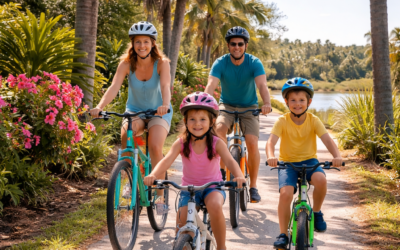
Walking and biking can provide approachable ways to add movement to the day. Examples include a morning walk, a bicycle trip to a nearby destination or an evening stroll with family.
Safe and inviting routes make those choices more practical for more people.
Active Transportation Can Support Healthy Aging
For older adults, regular physical activity can help support mobility, balance, independence and the ability to complete everyday activities.
A walkable community may make it easier for older residents to remain active and socially connected. However, routes must account for different physical abilities and mobility needs.
Features such as smooth surfaces, accessible crossings, places to rest, clear sightlines and sufficient crossing time can make a meaningful difference.
Safer streets should serve people of all ages and abilities, not only experienced walkers, runners or cyclists.
Children Benefit From Safe Routes, Too
Children need safe opportunities to move through their communities.
Walking or biking to school can provide physical activity and time outdoors. Research also connects physical activity with improved attention and some measures of academic performance, although active school travel alone does not guarantee better grades.
For families to consider walking or biking to school, the route must be appropriate for the child’s age, ability and level of supervision.
Potential barriers include:
- Missing sidewalks
- High-speed traffic
- Difficult intersections
- Limited crosswalks
- Disconnected bicycle routes
- Insufficient adult supervision
- Long distances between home and school
Addressing these barriers requires more than encouraging children to walk or bike. It requires thoughtful infrastructure, safety education and coordination among families, schools and transportation agencies.
Walkable Communities Can Strengthen Social Connections
People tend to encounter one another more often when they are outside walking, biking or spending time in shared public spaces.
A neighborhood walk can lead to a conversation with a neighbor. A trail can bring together families, recreational cyclists, runners and visitors. A safe route to school can create opportunities for children and caregivers to connect.
Research suggests that walkable environments may support social interaction and neighborhood ties. The results depend on factors such as community design, access, maintenance and how people use the space.
Infrastructure alone does not create community, but it can provide places where community connections develop.
Active Transportation Can Expand Travel Options
Not every trip needs to be made by car, but walking or biking is only a practical choice when a safe and connected route is available.
Active-transportation infrastructure may give residents additional options for:
- Short errands
- Trips to nearby parks
- School travel
- Commuting
- Recreation
- Connecting with public transportation
- Reaching local services
When some short vehicle trips shift to walking or biking, communities may experience transportation and environmental benefits. The scale of those benefits depends on how many trips change and whether routes connect to useful destinations.
Walkability Can Influence Where People Want to Live
Walkable communities and access to trails are important considerations for many homebuyers. People may value the ability to reach parks, shops, restaurants and recreational spaces without relying entirely on a vehicle.
This demand can make walkability and trail access appealing neighborhood features.
However, NPC should avoid promising that a particular sidewalk, bicycle lane or trail will automatically raise nearby property values. Real estate outcomes depend on many factors, including location, market conditions, housing supply, trail design, access and maintenance.
The strongest supportable point is that walkability, access to nature and trails are valued community amenities.
Connected Routes Are More Useful Routes
A sidewalk or bicycle facility loses much of its usefulness when it ends unexpectedly or does not reach another safe route.
Connected pathways allow people to travel farther and reach more destinations. They can also give walkers and cyclists alternatives to high-speed roadways.
This is why Naples Pathways Coalition focuses not only on individual improvements but also on connected pathways in Southwest Florida.
A coordinated network can include:
- Neighborhood sidewalks
- Bicycle facilities
- Shared-use paths
- Walking trails in Naples
- Running paths in Collier County
- Regional connections between communities
- Longer-distance trail systems
Creating that network requires collaboration among government agencies, transportation planners, community organizations and residents.
The Paradise Coast Trail Is Part of the Vision
The Paradise Coast Trail is a developing pathway network envisioned as more than 100 miles of paved, separated routes for people walking, biking and running throughout Collier County.
What Is Open Today?
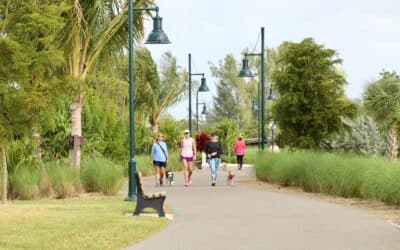
The first seven-mile section opened along the Vanderbilt Beach Road Extension in July 2026. This completed segment provides a new paved space for walking, running and bicycling.
What Remains a Future Plan?
Most of the broader Paradise Coast Trail network has not been completed. Future sections remain dependent on planning, studies, funding, design, permitting and construction by the appropriate agencies.
The long-term vision includes connections among communities and destinations throughout Collier County. As additional segments open, the trail is intended to provide more opportunities for recreation, active transportation and regional connectivity.
NPC’s website should clearly distinguish between the section that is currently open and future parts of the planned network.
Safe Behavior Still Matters
Better infrastructure is essential, but street design cannot address every risk.
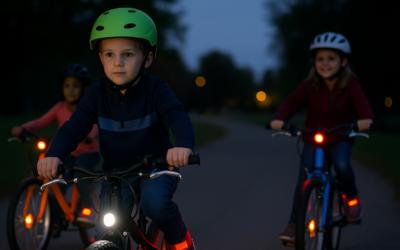
Drivers must remain alert, put phones away and watch for vulnerable road users. People walking and biking must also remain attentive, follow applicable rules and use appropriate visibility equipment.
Naples Pathways Coalition addresses this side of transportation safety through education and advocacy, including the Hands-Free Florida campaign.
Safer streets depend on:
- Thoughtful infrastructure
- Responsible road behavior
- Public education
- Appropriate enforcement
- Community participation
- Policies that protect vulnerable road users
How NPC Advocates for Smarter Streets
Naples Pathways Coalition works to improve safety for people who walk, bike and run while advancing more connected pathways throughout Collier County.
This work includes:
- Advocating for safer transportation infrastructure
- Supporting the development of the Paradise Coast Trail
- Promoting pedestrian and bicycle safety
- Educating community members
- Collaborating with government and community partners
- Advocating for stronger distracted-driving policies
- Encouraging public involvement in transportation planning
Public agencies are responsible for approving and implementing infrastructure projects. NPC helps bring community concerns, safety priorities and the needs of vulnerable road users into the conversation.
Frequently Asked Questions
What are safer streets?
Safer streets are planned and operated to reduce risk for everyone, including drivers, passengers, pedestrians, bicyclists and people using mobility devices. Features vary by location and may include sidewalks, crossings, bicycle facilities, lighting and traffic-calming measures.
What is active transportation?
Active transportation means walking, bicycling, rolling or using another physically active way to complete all or part of a trip.
How does active transportation support health?
Walking, biking and other forms of physical activity can support mental health, cardiovascular health, mobility, sleep and brain function. Individual benefits vary based on frequency, intensity, health and ability.
Does walking or biking to school improve academic performance?
Physical activity is associated with improved attention and some measures of academic performance. Walking or biking to school can add activity to a child’s day, but it does not guarantee a particular academic outcome.
Do trails increase property values?
Walkability and trail access are valued by many buyers, but a specific trail does not guarantee higher property values. Outcomes vary based on location, access, design, maintenance and market conditions.
Is the Paradise Coast Trail complete?
No. The first seven-mile section is open, but most of the planned 100-plus-mile network remains in development.
How can I support safer streets in Collier County?
You can follow transportation projects, participate in public meetings, share safety information, become an NPC member, volunteer or make a donation.
In the News
An earlier version of this commentary by Michelle Avola-Brown, Executive Director of Naples Pathways Coalition, appeared in Life in Naples on August 1, 2025. Read the original Life in Naples article.
Help Build a Safer, Smarter Collier County
Safer streets are an investment in mobility, health, independence and community connection. They give residents and visitors more ways to experience Naples and move through Collier County.
Learn more about Naples Pathways Coalition’s mission, explore the Paradise Coast Trail or help advance safer places to walk and bike by becoming a member, volunteering or making a donation.